
Winter on the farm
Written by Jessica Davies
After the rush of harvest season — the long days, heavy harvest crates, muddy boots, and overflowing wash station — the land finally exhales. The fields rest under frost and snow, and for the first time in months, the pace slows. The farm becomes quiet. Winter at Adama Farm is not empty or idle, but gentle. It’s a season of care, reflection, and preparation for what’s to come.
While much of the farm appears asleep, there is still life moving beneath the surface.
The days are shorter now. Morning chores begin later, often wrapped in layers and steam rising from my coffee cup. Instead of planting and harvesting, my work shifts inward — toward maintenance, organization, and planning.
I spend winter taking care of the farm animals, tidying sheds, organizing seed storage, crop planning and catching up on the countless little tasks that get postponed during the height of the growing season. There’s time again to slow down, to take notes on what worked well, what didn’t, and what I want to improve.
Winter reminds me that rest is not laziness — it is necessary.
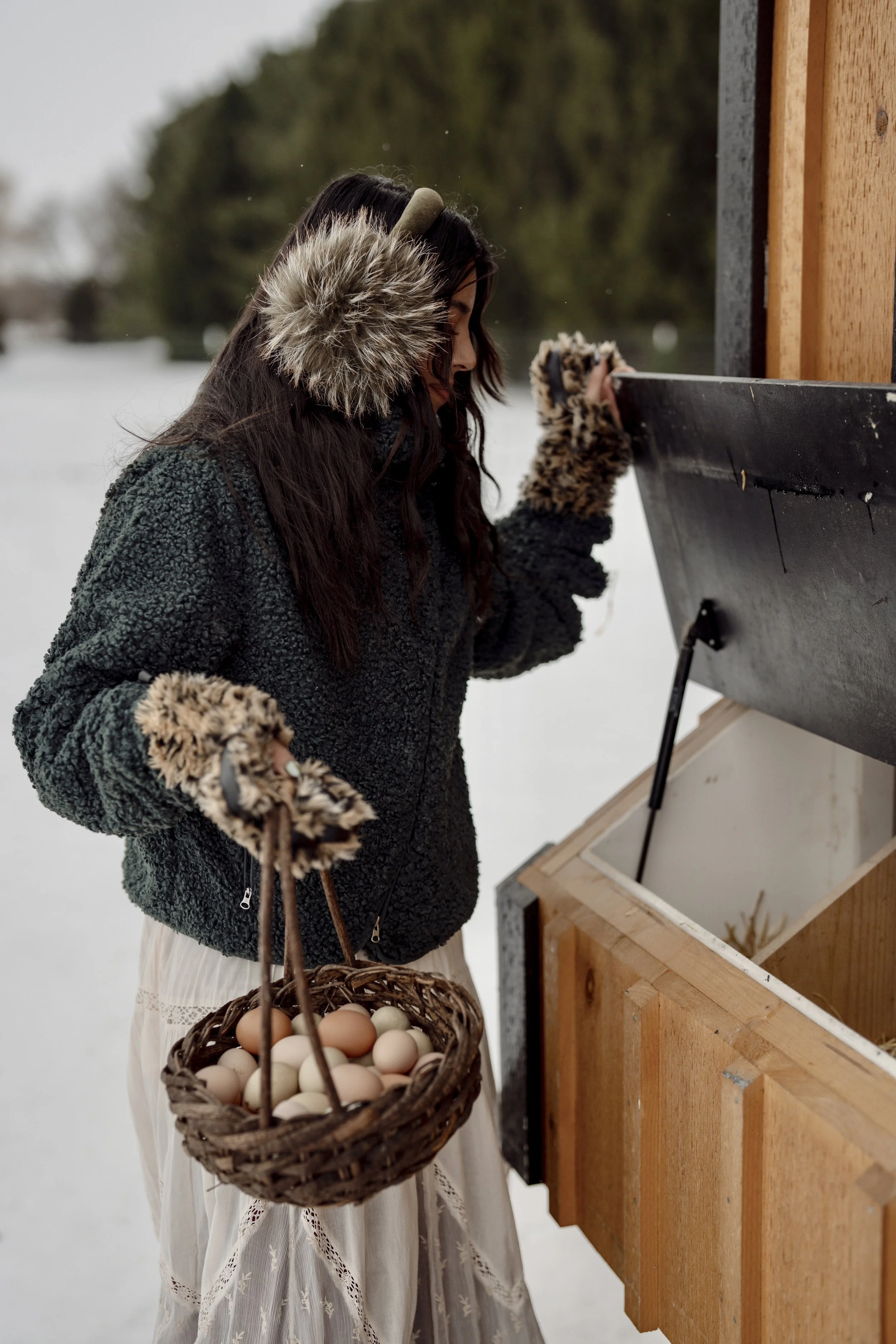
Our chickens remain busy all winter long, even as the ground freezes.
Preparing the coop for cold temperatures is one of our most important winter tasks. I attached greenhouse plastic on all sides of the run to block drafts, and added deep bedding using straw and wood shavings to help regulate warmth naturally. As the bedding builds up over time, it creates gentle heat through decomposition.
Fresh water becomes a daily priority, as freezing temperatures require constant monitoring. Heated water bases help keep water accessible, and I check the flock daily to ensure everyone stays dry, comfortable, and healthy.
Egg production slows significantly during winter due to reduced daylight, but the hens continue to do what they do best: scratch, forage, and bring life to the farm even on the coldest days.
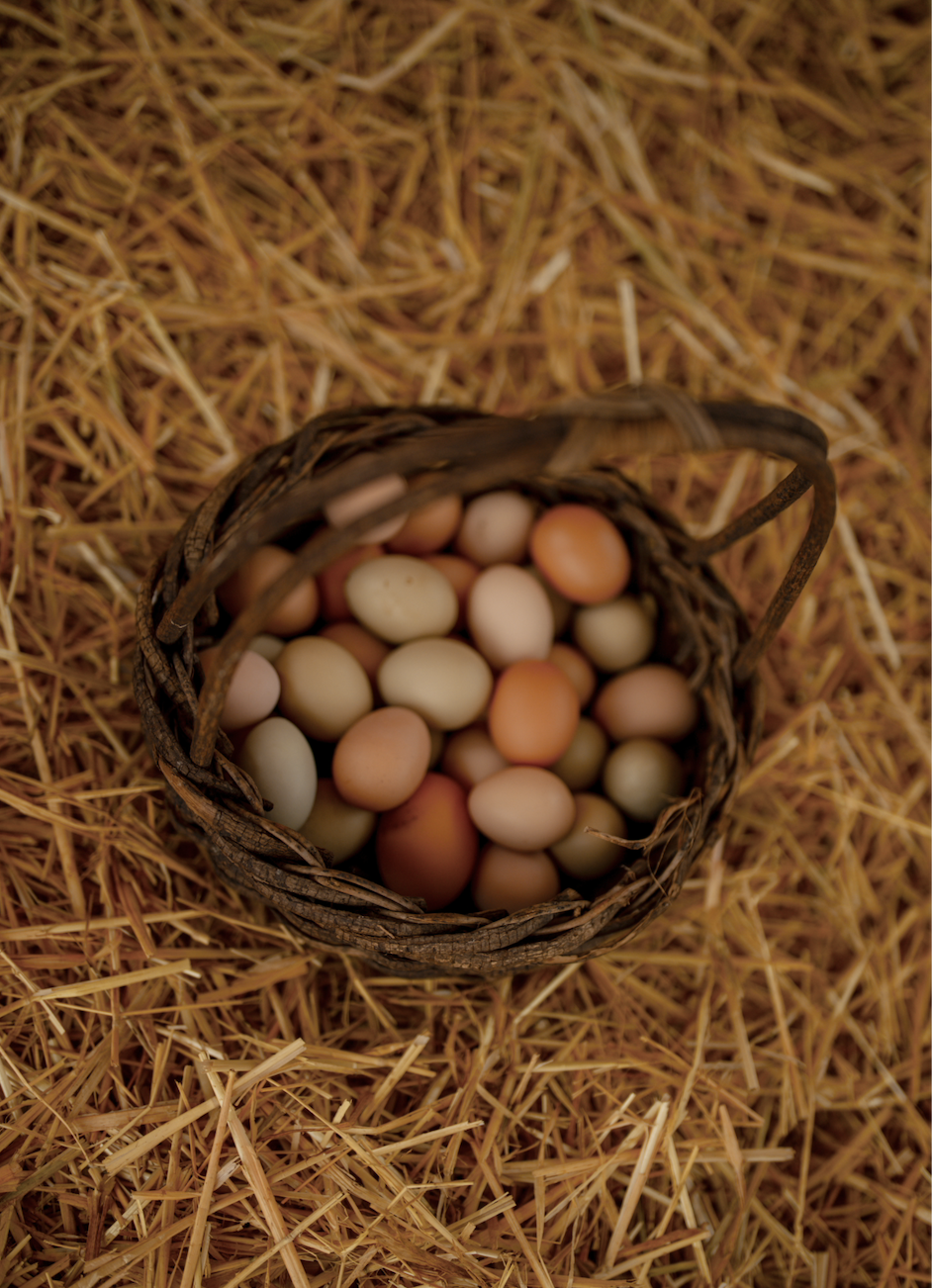
While the land rests outside, winter is when the real dreaming begins.
Seed catalogs pile up on the kitchen table. Crop plans are sketched, erased, and rewritten. I review bed maps, rotation schedules, greenhouse plans, and succession plantings. Each decision — what to grow, how much, and when — shapes the season ahead.
Winter planning allows me to be intentional. It’s where I consider soil health, biodiversity, crop diversity, and how best to serve our CSA members, farmers market community, and local customers.
It’s also a season of prayer and reflection — asking how I can steward this land well, grow food responsibly, and continue building a farm rooted in faith, care, and community.
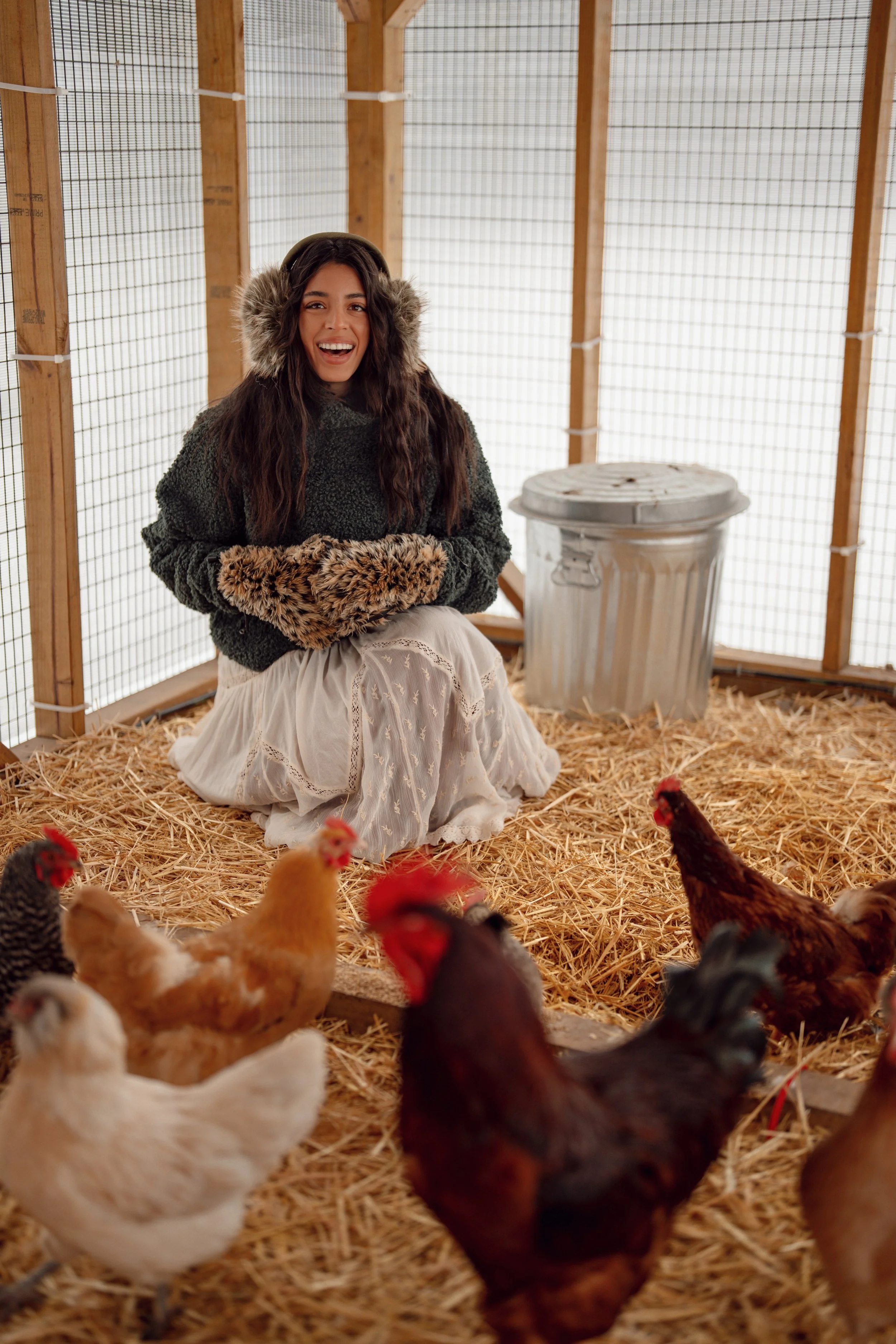
Winter on the farm may look still, but it is far from inactive.
Roots deepen beneath frozen soil. Ideas take shape. Systems improve. And slowly, the next season begins forming long before the first seed is planted.
Before I know it, the greenhouse will overflow again with trays of seedlings, the chickens will feel the return of longer days, and the farm will awaken once more.
Until then, I rest — grateful for the pause, thankful for the land, and excited for everything the coming season will bring.